
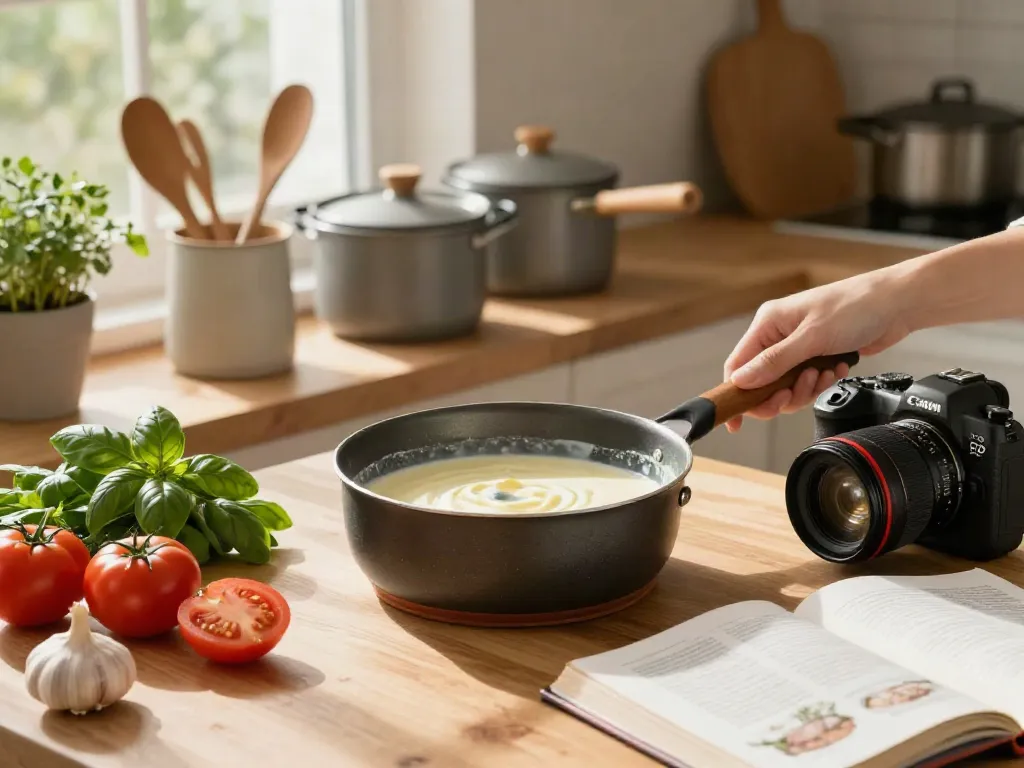
Understanding the Milk Pan: Uses and Benefits
The milk pan is a specialized cookware that plays a vital role in modern kitchens, particularly for those who frequently prepare milk-based dishes. It's a small, usually shallow saucepan designed specifically for heating milk, making sauces, and cooking delicate foods. The milk pan's unique design allows for better heat distribution and control, which are crucial for preventing scorching and sticking during cooking. When exploring options, Milk Pan offers a variety of choices that meet diverse culinary needs, especially within the context of Bangladeshi cooking traditions.
What is a Milk Pan?
A milk pan is characterized by its unique features, including a pouring spout, which aids in transferring liquids without spilling. Typically made of materials like stainless steel, aluminum, or non-stick coatings, these pans provide excellent heat conductivity and cooking performance. Most milk pans have a capacity ranging from 1 to 2 quarts, making them ideal for small batches of milk, sauces, or soups. They are designed with taller sides compared to traditional saucepans, which help to reduce the chances of milk bubbling over during heating.
Key Benefits of Using a Milk Pan
Using a milk pan comes with several benefits:
- Heat Control: The design facilitates gentle heating, crucial for recipes that require careful temperature management.
- Versatility: While primarily used for milk, these pans are also perfect for preparing sauces, melting butter, or even cooking small portions of oatmeal or custard.
- Convenience: The spouts on milk pans make pouring easy and mess-free, an essential feature for busy cooks.
- Easy to Clean: Many milk pans come with non-stick surfaces or are made of stainless steel, making them easy to clean after use.
Common Cooking Techniques with Milk Pans
Milk pans are used in various cooking techniques, including:
- Scalding Milk: Preheating milk to a near-boiling point to prepare for recipes like custards and puddings.
- Making Sauces: They are perfect for preparing sauces from scratch, such as béchamel, which requires careful heating to avoid lumps.
- Heating Liquids: Ideal for gently warming liquids for baking or cooking without risk of scorching.
- Melting Ingredients: Use for melting butter or chocolate, providing better heat control than larger pots.
Selecting the Right Milk Pan for Your Needs
Choosing the right milk pan involves considering several factors to ensure it meets your cooking requirements effectively.
Material Types and Their Advantages
Milk pans come in a variety of materials, each with its own set of advantages:
- Stainless Steel: Durable and resistant to rust, this material often includes an aluminum or copper core for better heat distribution.
- Non-Stick Coatings: These pans ease cleanup and reduce the chances of food sticking, making them perfect for milk-based recipes.
- Aluminum: Lightweight and excellent at conducting heat, aluminum pans heat quickly and evenly, although they can react with acidic ingredients.
- Ceramic: Offers non-toxic, non-stick cooking options but may not be suitable for high-temperature cooking.
Choosing the Right Size and Shape
When selecting a milk pan, size matters. A pan that is too large can lead to uneven heating and increased cooking time, while a pan that is too small can overflow when boiling. Consider how much milk or food you typically prepare; most home cooks will find a 1 to 1.5-liter capacity sufficient. The shape should also complement your cooking style; taller sides help contain splatters, while wider bases offer more surface area for quick evaporation.
Compatibility with Your Cooktop
Ensure the milk pan you choose is compatible with your cooking surface. Many modern cooktops include induction, which requires specific materials like magnetic stainless steel or cast iron. Verify the manufacturer's specifications or labels to confirm compatibility, especially if you are investing in a premium milk pan.
Popular Brands and Prices of Milk Pans in Bangladesh
In Bangladesh, several brands offer a range of milk pans, each featuring unique qualities and price points. Recognizing these brands helps you make an informed purchase based on your budget and needs.
Top Milk Pan Brands to Look For
Some of the popular brands for milk pans in Bangladesh include:
- Walton: Known for its affordable and reliable cookware, Walton offers milk pans that are induction-compatible and come with a warranty.
- Singer: A well-established brand, Singer provides high-quality cookware, including milk pans that are durable and user-friendly.
- Kiam: Kiam's products are recognized for their innovative designs, often incorporating non-stick technology for easy cooking and cleaning.
- Prestige: A premium brand that offers a selection of high-end milk pans, ideal for serious cooks.
Price Range and Warranty Information
The price of milk pans in Bangladesh varies significantly based on the brand, material, and features. Currently, you can find milk pans priced between ৳374 and ৳4,790. Many brands, like Walton and Singer, offer products with official warranties, ensuring you are covered for defects and manufacturing issues. This warranty is an essential factor to consider, as it reflects the manufacturer's confidence in their products.
Where to Buy Milk Pans Online
You can purchase milk pans online at several platforms, including LM Electronics, which provides a comprehensive selection of cookware. Here, you can compare prices, read user reviews, and find the best deals on your preferred brand of milk pans. The convenience of online shopping allows you to browse various models, check warranty details, and enjoy fast delivery.
Frequently Asked Questions About Milk Pans
What is the purpose of a milk pan?
The primary purpose of a milk pan is to heat milk for various cooking tasks. Its design allows for gentle heating to prevent scorching and is perfect for making sauces or warming small quantities of liquids.
How does a milk pan differ from a standard saucepan?
While both are intended for cooking, milk pans are smaller with taller sides, making them better suited for heating milk and preventing overflow. They often feature pouring spouts for easier transfer of liquids, which a standard saucepan may not have.
What size should I choose for a milk pan?
It depends on what you typically cook. A 1 to 2-quart capacity is ideal for most home kitchens, allowing you to heat milk without worrying about it boiling over.
Future Trends in Cookware: The Evolution of Cooking in 2026
As culinary trends evolve, so does cookware technology. The future of cookware, including milk pans, is poised for exciting developments.
Emerging Technologies in Cookware Design
We are seeing advancements in materials that enhance durability and cooking efficiency. Innovations such as smart cookware that can connect to smartphones for temperature monitoring and alerts are gaining popularity.
Green and Sustainable Cooking Solutions
As sustainability becomes a priority, expect to see more eco-friendly materials used in cookware production. Brands are focusing on reducing their carbon footprint by offering products made from recycled or sustainably sourced materials without compromising quality.
Predictions for the Future of Milk Pans
The milk pan of the future may integrate smart technology, allowing precise temperature control to prevent boiling over or scorching. Additionally, we may see more multi-functional designs that cater to the diverse cooking needs of modern kitchens.